

When a buyer asks for LED work lights, I usually do not start from the brightest-looking photo. A good first question is simpler: where will this light sit, and what kind of buyer are you trying to serve?
For a distributor, one model is rarely enough. You may need a square work light, a slim bar, a recessed lamp, an amber warning style, and one or two round housings that look more premium in a catalog. The job is not to collect every possible lamp. The job is to build a range that a real customer can understand quickly.
Start with mounting position, not only wattage
Wattage, lumen output, voltage, waterproof rating, and certification availability all need to be confirmed by exact model. But in the early shortlist stage, buyers usually make faster progress by checking the mounting position first.
A light for a front bumper, roof rack, truck body, workshop vehicle, or side warning position will not be judged the same way. The bracket, housing depth, lens angle, wire exit, and front face can matter as much as the headline electrical data. This is why the Wholesale LED Work Lights and Light Bars guide is built around visible model differences, not one generic product block.
Use the front face as a sorting tool
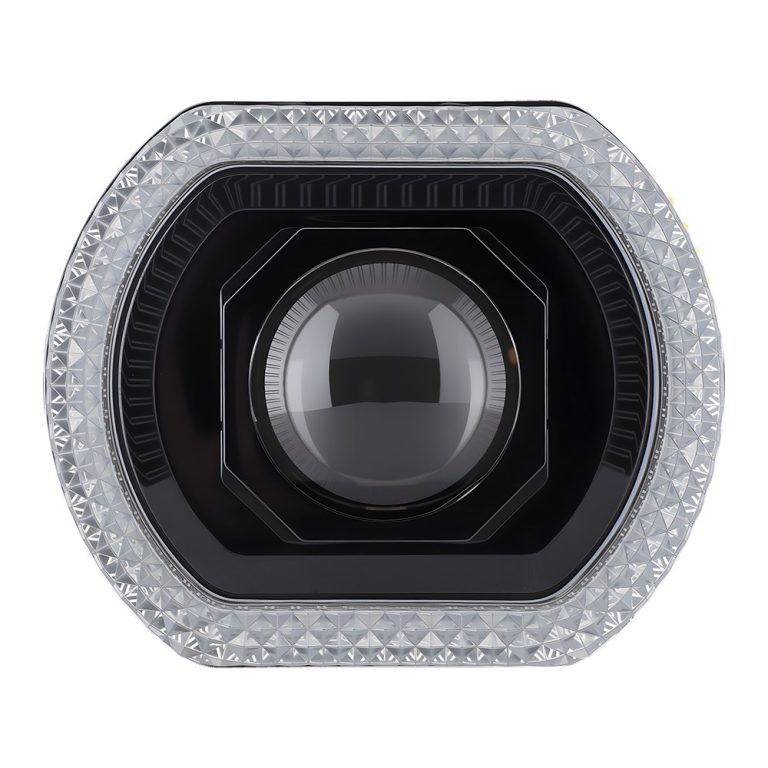
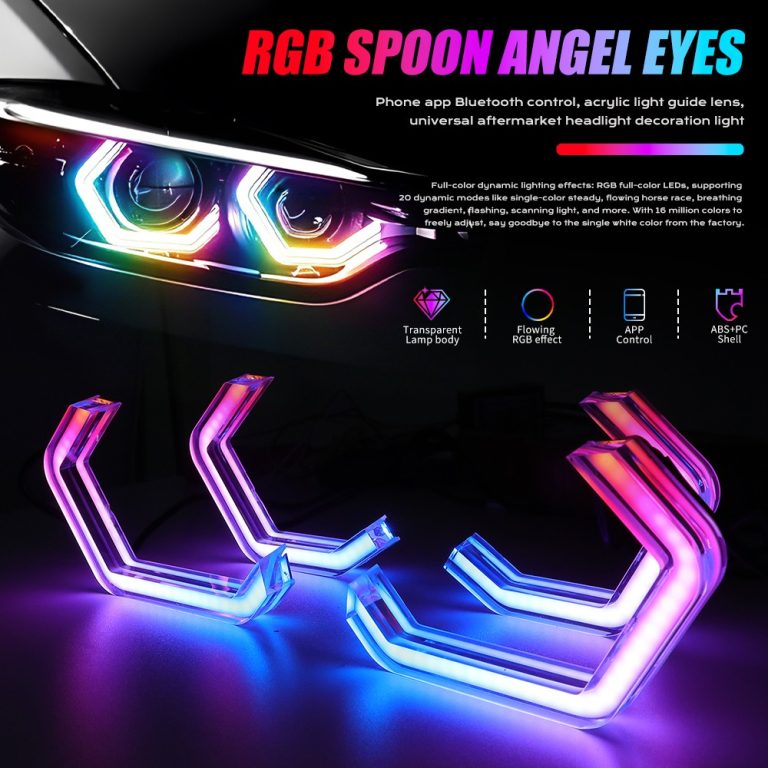
On a sourcing call, I like to group work lights by what the buyer can see first: square multi-bead face, oval face, single projector, dual projector, bar shape, amber lens, RGB/halo style, or recessed body. That sounds basic, but it prevents a common problem: several similar product links getting mixed together in one quotation.
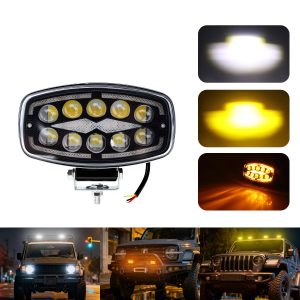
If two lights look close, send both URLs and tell us which visual direction is the priority. For example, an amber-lens warning style should not be mixed with a clear-lens work light just because both appear in the same vehicle lighting range.
Practical note: for wholesale selection, a clean shortlist usually has one main model, one lower-cost alternative, and one different-looking option for the same application. That gives the buyer room to evaluate options without turning the quotation into a long catalog dump.
Where light bars fit in the range
Light bars are easier for buyers to recognize, but they still need care. A single-row bar, a multi-row bar, a flush-mount bar, and a warning-style bar can serve very different customers. If the buyer is building an off-road or truck accessory range, put light bars next to square and round work lights so the final offer feels complete.
If the project is more about warning or visibility than forward lighting, it may be better to check LED warning strobe and beacon lights instead of forcing everything into the work-light category.
What to send before asking for a quote
- The product page URL or guide page link.
- Target quantity and whether this is a sample check or range-building project.
- Vehicle type or installation position.
- Preferred housing shape, lens color, and lighting effect.
- Destination country, especially if documents or labeling may be needed.
- Any known bracket, connector, voltage, or packing requirement.
If you are still deciding which product family to start with, use the central automotive LED lighting wholesale sourcing guide first. If the work-light family is already clear, open the model finder on the work-light guide and send the shortlisted links through the wholesale quote form.
Short FAQ
Can similar work lights share the same specification?
No. Similar housings can still use different brackets, lens layouts, wiring, beam styles, packing, and market documentation. Confirm by exact model before quotation.
Should I choose by product photo first?
Use the photo to shortlist the visible style, then confirm the application and model details. Photo-only selection is risky when bracket, size, or wiring matters.
When the work-light request is really a warning-light request
If the buyer asks for flash, beacon, grille strobe, or emergency visibility, move that part of the inquiry into the warning-light path instead of treating it as a normal work light.